

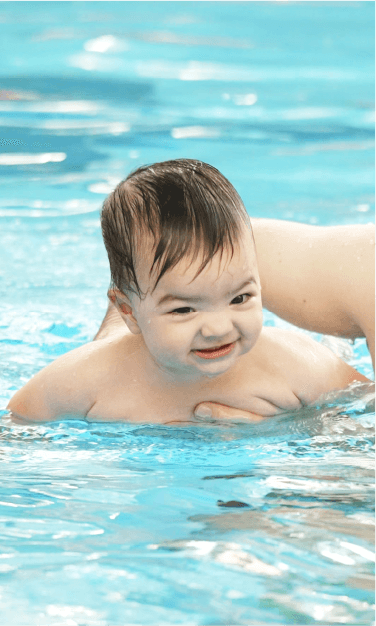
Infant Aquatic
programme
Which Programme is right for you?


We encourage to join our competitive programme, please contact us with details of the swimmer.
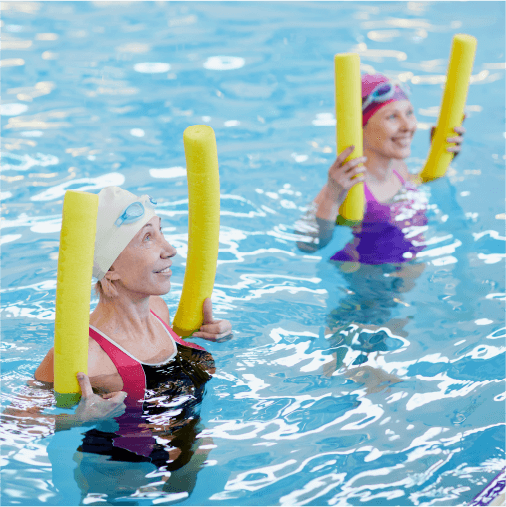
This level's aim is to utilize water buoyancy and resistance by doing stretching movement in the water. Even non-swimmers can enjoy this.
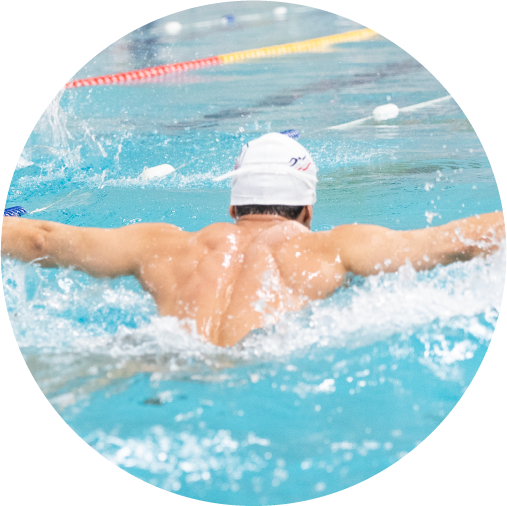
This level's aim is to improve technique in all strokes, develop racing strategies for sprints and enduranceevents, and enhance overall fitness.

This lesson is for adults new to competitive swimming, triathlon training, or those wishing to improve general fitness.

This level's aim is to learn more advanced stroke techniques, and build their basic aerobic fitness through the introduction of swimming sets.

This level’s aim is to learn more advanced stroke technique, and build basic aerobic fitness through the introduction of swimming sets.
This level's aim is to refine stroke technique, build a strong aerobic base, and learn race skills.

This level’s aim is to learn more advanced stroke technique, and build basic aerobic fitness through the introduction of swimming sets.

This level’s aim is to maintain and build on the learned techniques, until children can swim 50 meters of freestyle, backstroke and breaststroke. Butterfly and diving skills are progressed.

This level's aim is to build confidence and introduce basic aquatic skills, according to the needs of the individual.

This level’s aim is to refine freestyle, breaststroke and backstroke technique to a more advanced level, with emphasis on swimming with a relaxed and confident style.
The level's aim is to master the co-ordination of freestyle and backstroke.
This level’s aim is to maintain and refine the learned techniques, until children can swim 100 meters of freestyle, backstroke, breaststroke and 50 meters of butterfly with excellent technique. Competitive starts and turns will be taught. From this level students will promote to Bronze Squad.
This level’s aim is to swim continuously for extended distances, while maintaining correct technique in freestyle, backstroke and breaststroke. Butterfly kick is introduced and diving is progressed.

This level's aim is to develop endurance over longer distances 40 metres whilst maintaining good stroke technique in freestyle and backstroke.

This level's aim is to maintain and build on the learned techniques, until children can swim 50 meters of freestyle, backstroke and breaststroke.
This level’s aim is to develop the swimmers endurance and to teach advanced skills for freestyle and backstroke. Breaststroke kick is introduced and diving skills are progressed.
The level's aim is to master the co-ordination of freestyle and backstroke whilst building on the skills learnt in the previous stage.
This level’s aim is to build self confidence and introduce the basic skills of freestyle and backstroke.

This level’s aim is teach the children to confidently swim independently with the parent and teacher and to be able to float on front and back.
This level’s aim is to increase the child’s skill level in all aspects, including swimming independently up to 10 meters, to prepare them to enter a lesson without the aid of an adult.
This level's aim is to instil confidence, and introduce the child to all the basic skills needed to ‘feel at home’ in the aquatic environment.

This level’s aim is for babies to submerge more consistently, and to be released for short distances by parent and teacher.
This level’s aim is to develop the early stages of freestyle pull and kicking movements to propel independently for longer distances. The fundamentals of floating on back will be introduced.
This programme provides a wonderful introduction to the world of swimming for your child, offering significant physiological and mental benefits.


Baby Swimming Lessons From 4 Months To 5 Years


The Harry Wright International Infant Aquatic Programme begins with our unique Parent and Infant lessons developed over many years from the philosophy of the late Captain Harry Wright and developed and refined by his daughter, Jayne Wright. These lessons focus on teaching parents how to submerge and release their babies safely and happily and how to introduce the basics of kick and pull.
What Parents & Swimmers Say


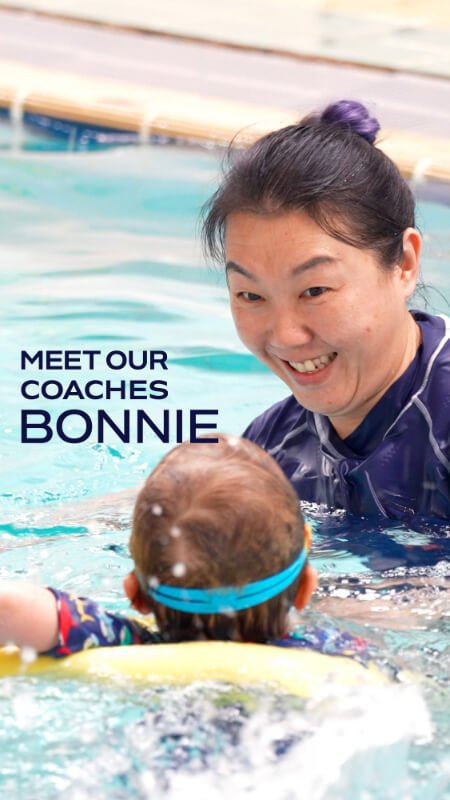
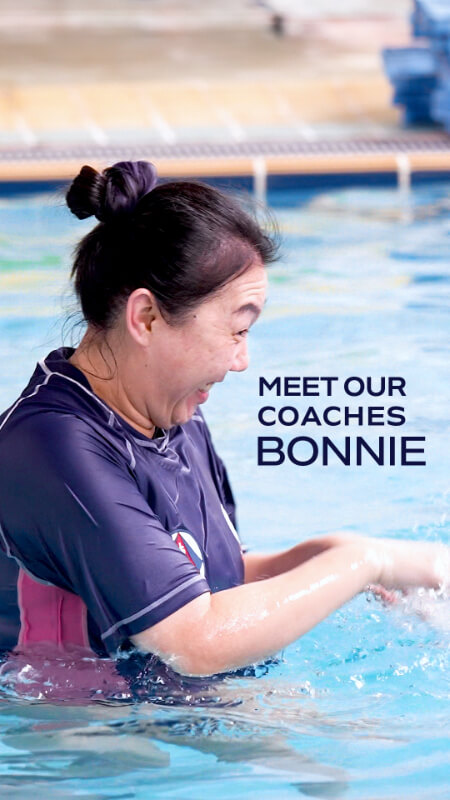
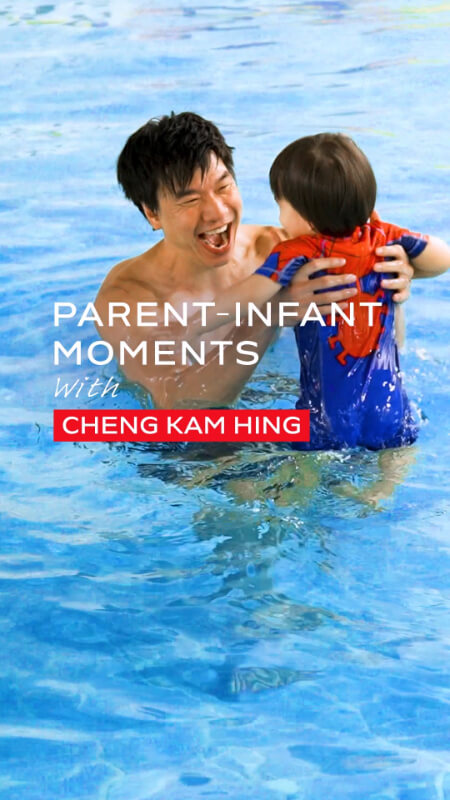

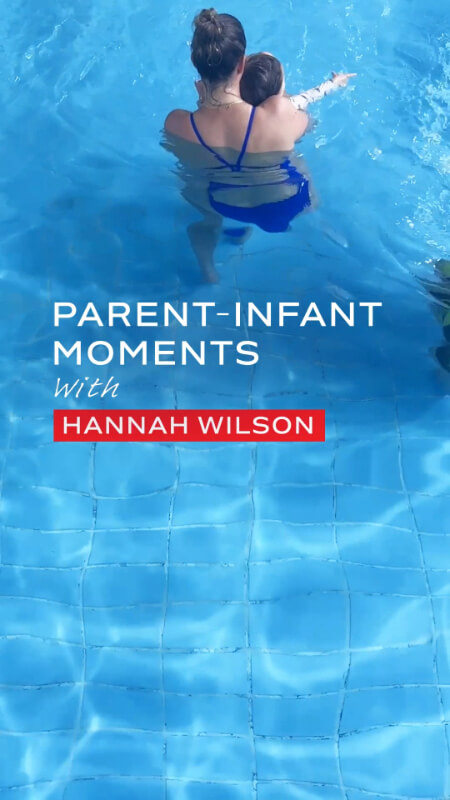
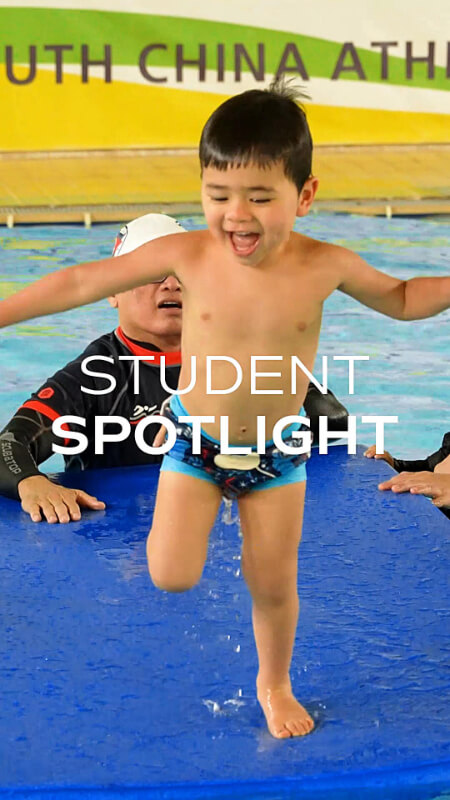
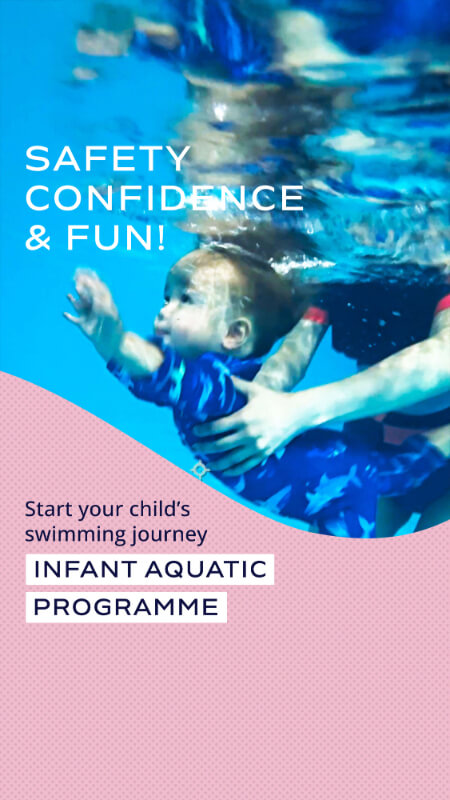
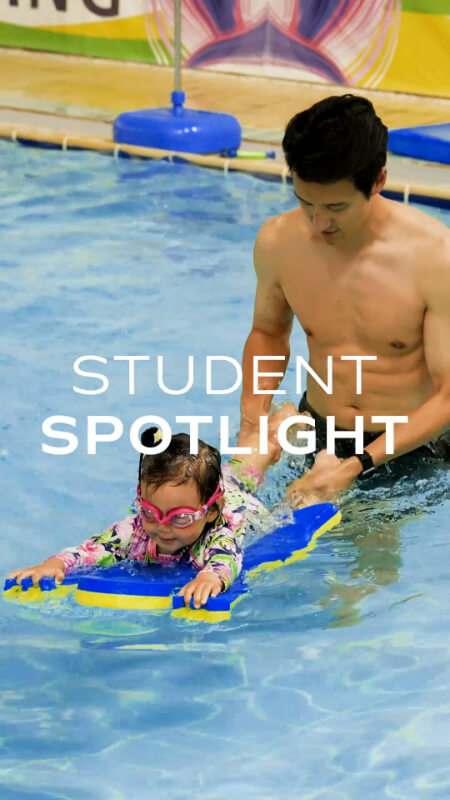

Learning to swim strengthens children's muscles as they use their arms, legs, and core to propel themselves through the water. This exercise helps them improve their overall body stability and endurance.

Bilateral cross-patterning movements, which engage both sides of the body, help your child's brain grow. These movements stimulate cognitive development through enhanced neural connections.

Along with building muscle, time in the pool can help your children improve their coordination and balance. It’s not easy learning to move those arms and legs together.

Mastering swimming techniques enhances children's confidence. As they achieve milestones, they develop a sense of accomplishment that boosts their self-esteem both in and out of the water.

Swim time that involves a parent in the water promotes one-on-one bonding, it’s just you and your little one focused on each other. A beautiful way to spend quality time alone together.

All of that physical exertion in the water, as well as the energy it takes their little bodies to stay warm, burns a lot of calories. You’ll notice an increase in your baby’s appetite after lessons.

Level
New Parent & Infant
4 months - 23 months
40 minutes
≤ 12 students
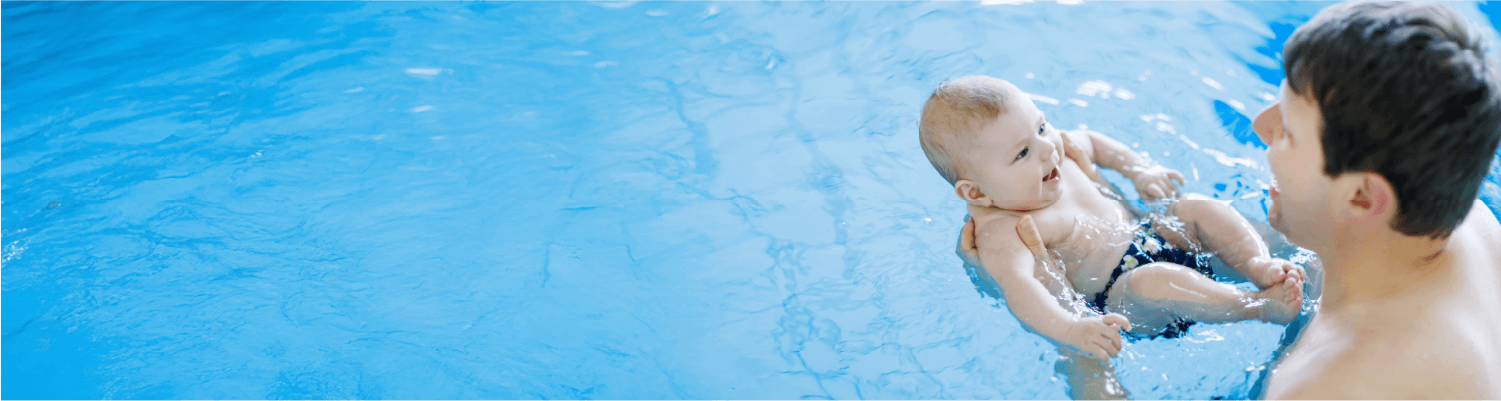
Parent and infant lessons can begin once your baby is 4 months old. These lessons are highly rewarding for both parent and baby. The coach will guide parents on everything needed to help their baby start swimming, including safe and relaxed submersion techniques. This programme provides a wonderful introduction to the world of swimming for your child, offering significant physiological and mental benefits.
*Adult assistance required
Existing Parent & Infant
6 months - 23 months
40 minutes
≤ 12 students
For babies who have previously attended a new parent and infant course and can confidently submerge, new exercises are introduced to help them achieve consistent submersion. They will also be released for short distances between parent and teacher. Patient and gentle positive reinforcement ensures that babies progress happily to the advanced parent and infant level.
*Adult assistance required
Parent & Infant Advanced
6 months - 23 months
40 minutes
≤ 12 students
Our advanced parent and baby lessons are designed for babies aged 6 months to 2 years who are comfortable submerging and can swim a minimum of 1 metre. The coach will introduce new skills to parents, focusing on developing the early stages of freestyle pulling and kicking movements, while also teaching babies the fundamentals of floating on their backs. A variety of engaging activities will ensure that this class remains enjoyable for babies, while also fostering the skills they need as they grow and develop physically.
*Adult assistance required
New Preschool
2 - 4.11 years
40 minutes
≤ 12 students
For children aged 2 to 4 years who are unable to swim, lessons incorporate a varied routine with plenty of fun activities and equipment designed to instil confidence and introduce basic skills needed to feel comfortable in the aquatic environment. Parents are encouraged to assist their child as they progress gradually at their own pace, helping them develop the aquatic skills necessary for greater independence in the water. Positive reinforcement, particularly during group activities, will foster a love of swimming and promote an understanding of basic safety in the pool environment.
*Adult assistance required
Existing Preschool
2 - 4.11 years
40 minutes
≤12 students
For children who have previously attended a new preschool lesson and are confident in submerging, the programme focuses on progressively teaching them to swim comfortably between the parent and teacher. Children will also learn to float on their front and back. All activities are designed to promote learning in a fun and relaxed environment, providing the confidence and skills needed for a smooth progression to the preschool level.
*Adult assistance required
Preschool Advanced
2 - 4.11 years
40 minutes
≤12 students
At this level, children will be comfortable going underwater and able to swim a minimum of 3 metres unaided. The lessons will enhance the child's skills in all areas, preparing them to enter a lesson without the support of an adult (i.e. Beginner 1 level). Parents will receive instruction on assisting their children in lifting their heads to breathe, entering and exiting the pool safely, and using equipment similar to that in the Beginner Learn to Swim lessons. This instruction is further supplemented by a variety of fun group activities, ensuring enjoyment for both children and parents.
*Adult assistance required


Swimming Gear & Equipment
Ensure your little one is properly equipped with high-quality swimwear from our trusted partner, Streamline Sports. Browse their specialised Infant Aquatic Collection for swim nappies, baby wetsuits, and essential aquatic gear designed specifically for infants. Enter code “HARRYWRIGHT” at checkout to receive 10% off your first order on all items with Streamline Sports.

FAQ
Get quick answers to
common questions
about infant aquatic
programme